
Why is screening important?
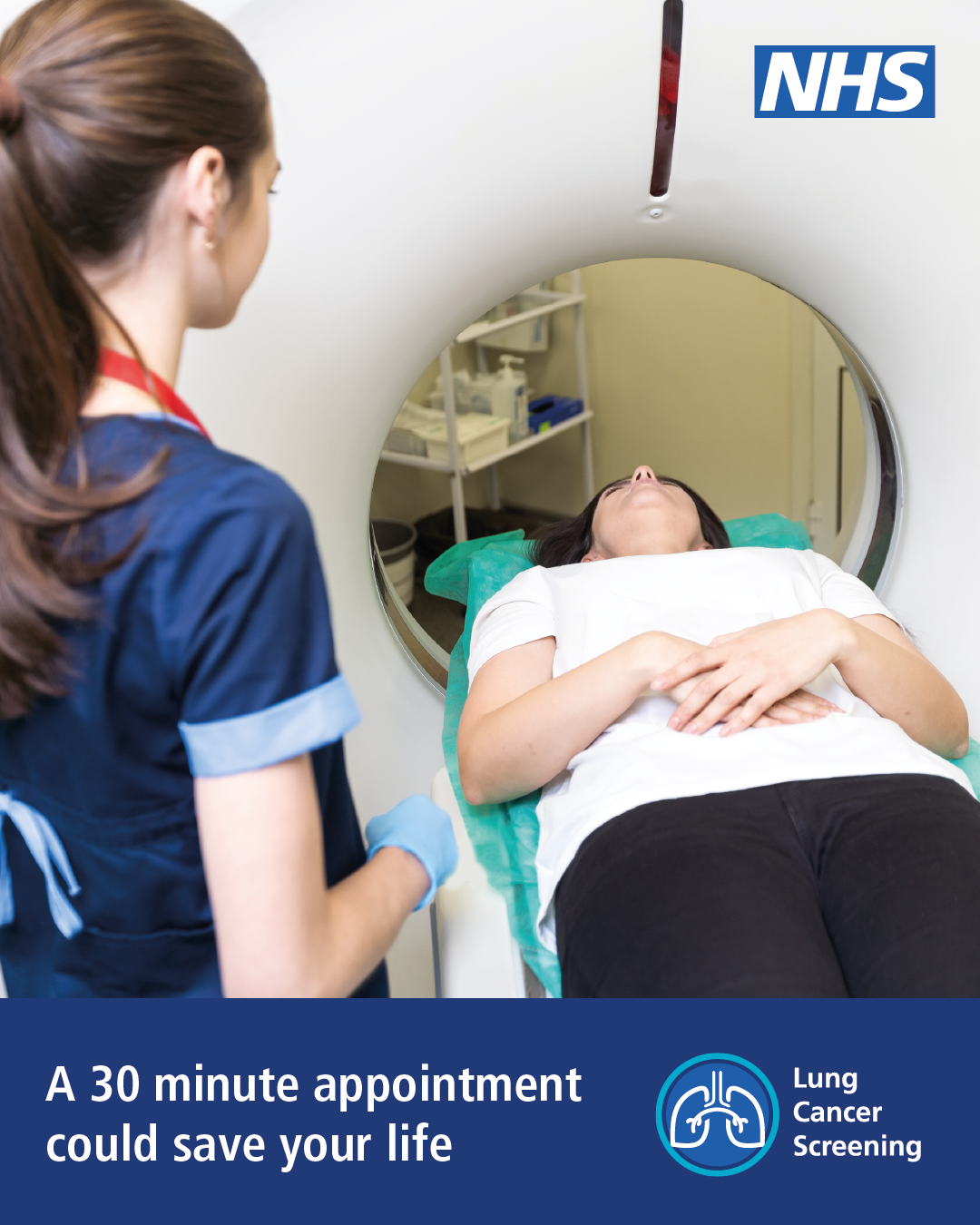
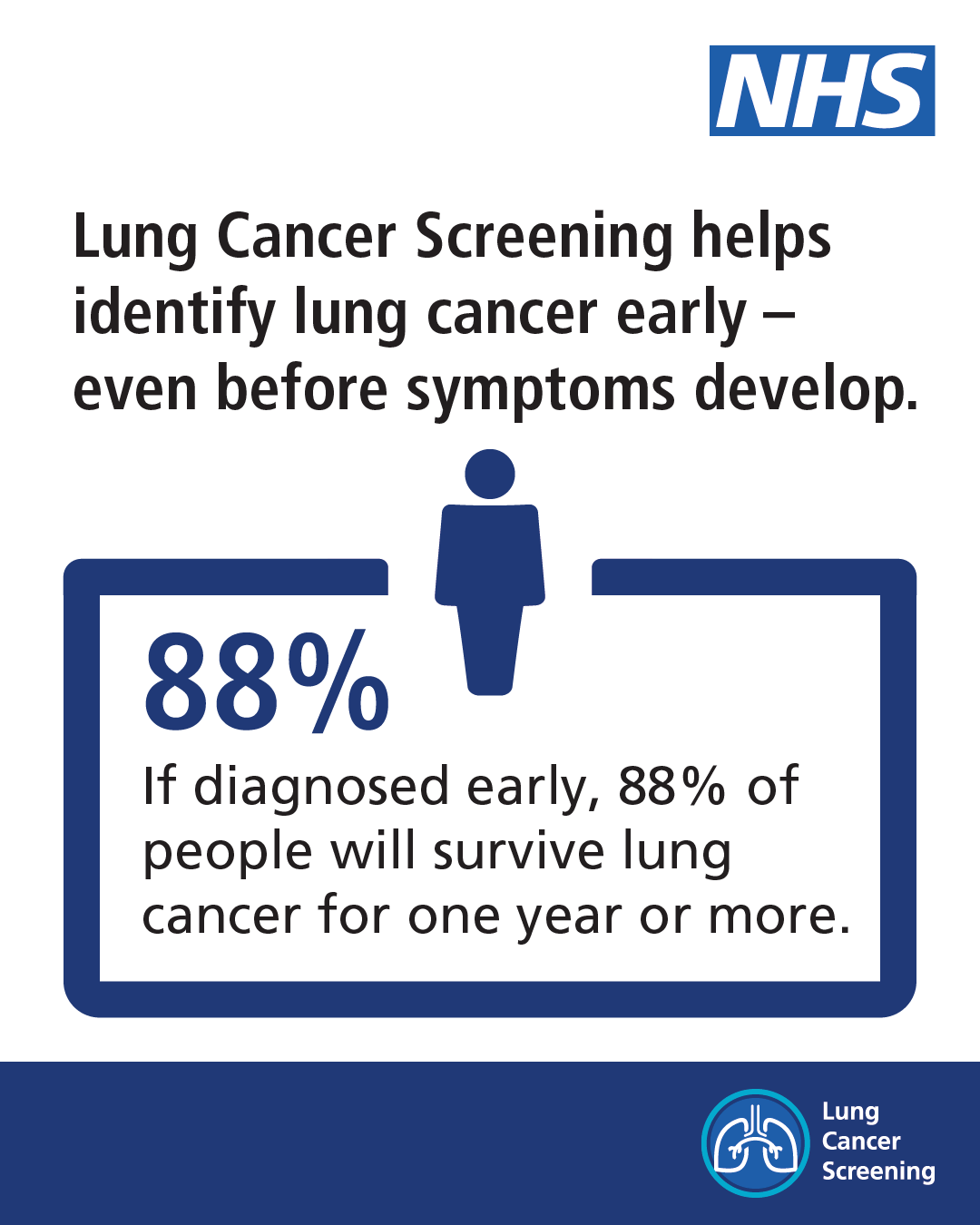
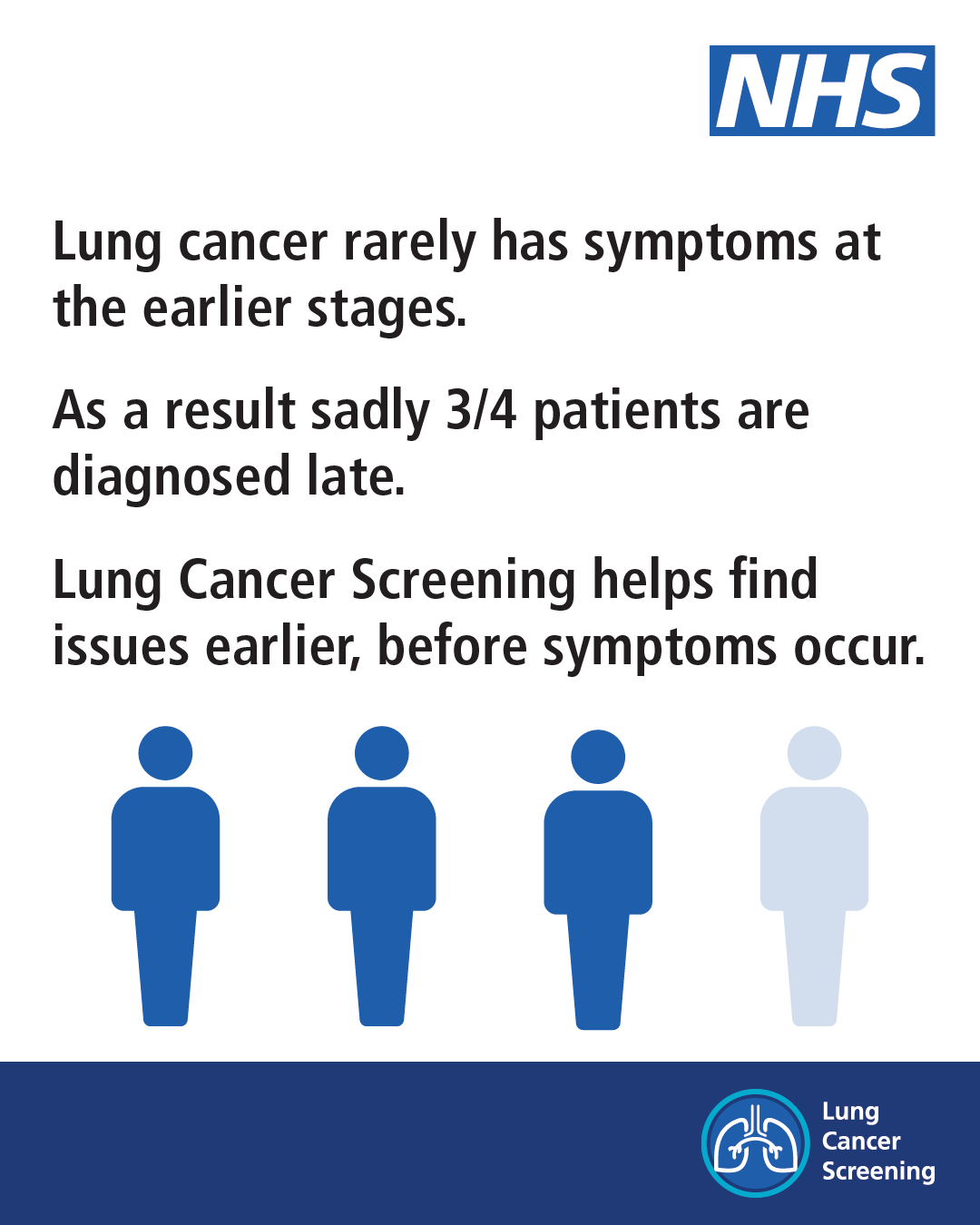
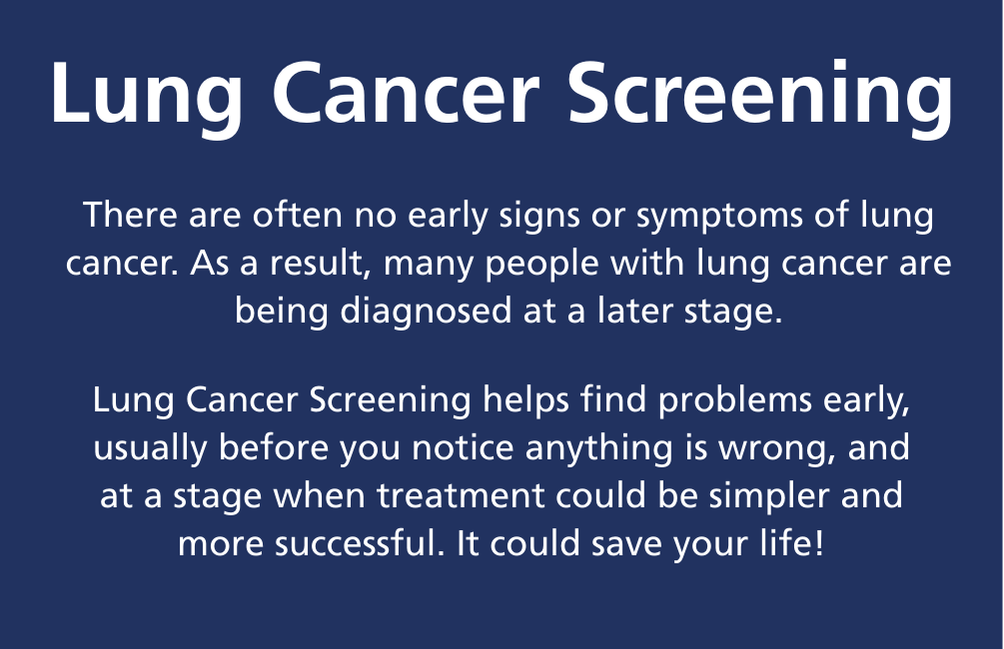
Finding lung cancer early can make a significant difference:
- Around three quarters of people diagnosed through the programme are found to have early-stage lung cancer (stages 1 or 2), when it is easier to treat.
- Without screening, fewer than one in three lung cancers are diagnosed at an early stage.
- Some people diagnosed early may need less invasive treatment, such as keyhole surgery.
- Many people diagnosed through the programme do not require treatments such as chemotherapy.
How does the programme support lung health?
Everyone who attends a Lung Health Check receives advice on how to improve their lung health. People who still smoke are offered support to quit, including advice during their appointment and referral to their local Stop Smoking Service if they wish.
Information and support to help you stop smoking:
Below are some statements received from people who successfully quit smoking following a referral from the Shropshire, Telford and Wrekin Lung Cancer Screening Programme to their local Stop Smoking Service:
“Thanks for all your help. Knowing that you've got someone checking up on your progress helps a lot. Feeling healthier since I've quit and a few more £s in the savings account.”
“I have more time - I didn’t appreciate how much time I spent running outside to have a cig. I have more money in my pocket which has come as a nice surprise; I never really thought about how much it was costing me. I feel good in myself.”
How is the programme being rolled out?
The roll out of the Lung Cancer Screening programme in the county started on 1 December 2025
It will be introduced in phases over four years, starting in areas with the highest levels of smoking, lung cancer rates and deprivation.
To read the roll-out schedule, click on the following link: Roll-out Schedule
Who is delivering the programme in Shropshire, Telford and Wrekin?
We have appointed Alliance Medical, working in partnership with Xyla Healthcare and TMC, to deliver the Lung Cancer Screening service locally.
How to contact the Lung Cancer Screening service
If you need more information about the programme, want to provide feedback about your experience of the programme, or you think you meet the eligibility but haven't received an invite for a Lung Health Check, please get in touch using the email or number below:
- Phone: 0330 236 8484
(Monday to Friday, 8am–7pm; Saturday, 9am–5pm) - Email: xyla.stwlungcancerscreening@nhs.net
If you've received an invitation but have lost the information on how to book an appointment, you can use the contact information above or scan the QR code below using your smartphone camera.

You can learn more about why attending is important by watching this short video: Why should you attend even if you feel well video
You can read the launch press release by clicking on the following link: Lung Cancer Screening Launch Press Release
Background to the programme
- The programme first launched in parts of the UK in 2019 as the Targeted Lung Health Check (TLHC) programme, focusing on areas with higher lung cancer mortality.
- In June 2023, it was announced that the programme would be expanded nationally, aiming to reach all eligible people by 2028.
- In September 2024, the TLHC programme was confirmed to transition into the national Lung Cancer Screening programme by April 2025.
- The national roll-out is ongoing, with at least one screening site now live in each of the 21 Cancer Alliances.
Click on the following headings for further information
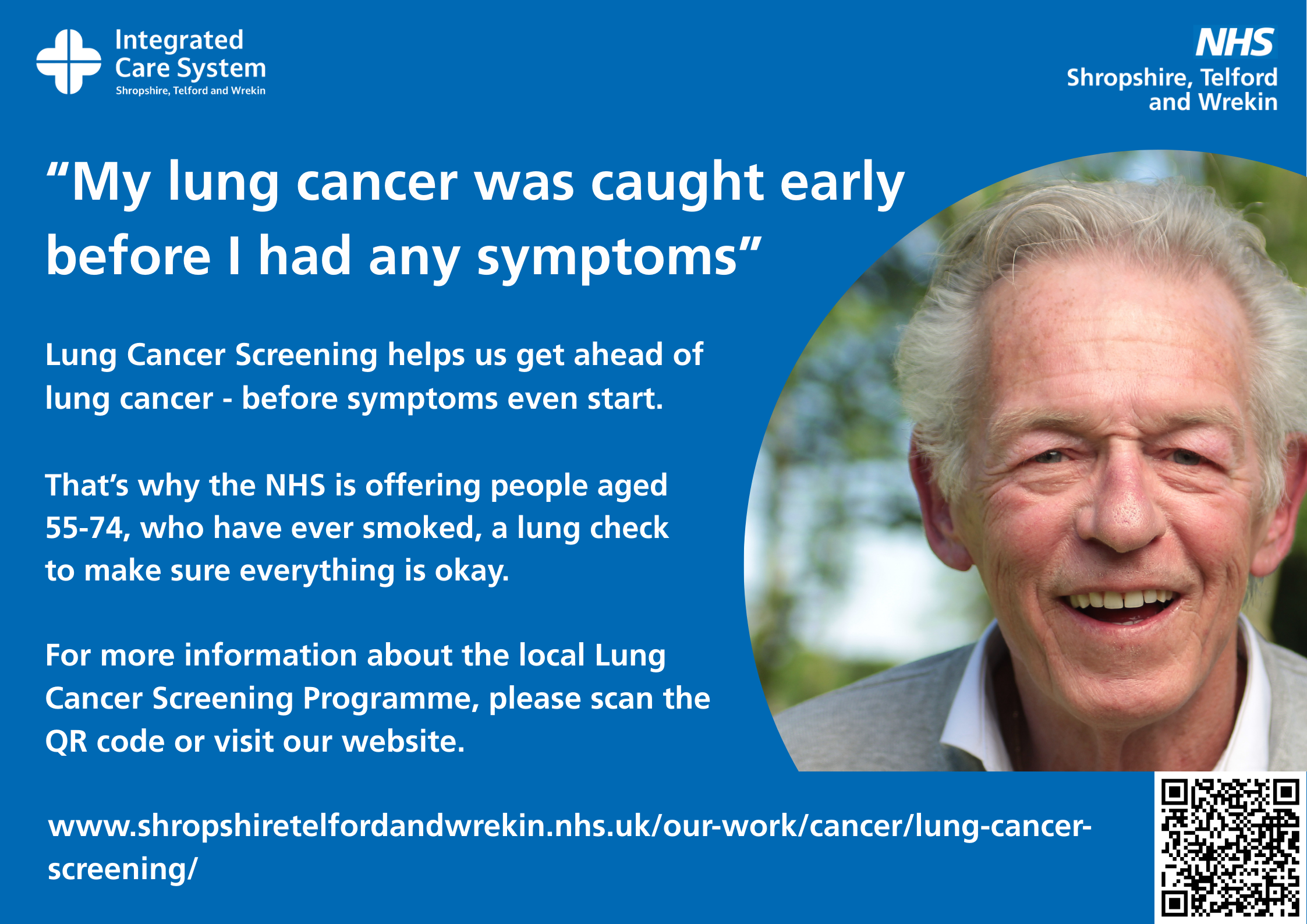
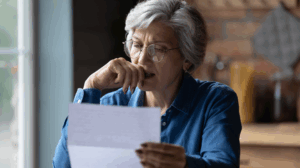 Eligible participants, identified through GP records, will be sent a letter informing them that they have been selected to receive a Lung Health Check (LHC).
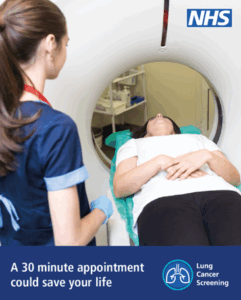 Those receiving a high-risk score (i.e. those more likely to have lung cancer now or in the future) will be invited to attend a face-to-face clinical review and receive a low dose CT scan. To find out more about CT scans, watch this short video:
 Lung Cancer
Living With and Beyond Cancer
Main Cancer Page